1100 N Lake Park Blvd • Carolina Beach, NC 28428
(910) 520-5056

Home Sweet Home – Part 42 – DESIGN IN THE SPIRIT OF WINE

It is no secret that I love wine. Red, white, and of course sparkling! Many of my favorites come out of Napa. But instead of talking about the fabulous wines that come out of Napa California (don’t get me started, I might not stop), I want to talk about wine as a design feature.

Wine has become a powerful icon in our society. It used to be thought of only as a luxury for the well-to-do class. But that is no longer the case. Whether it’s a crisp Italian white on a balmy afternoon on your porch or a juicy California red on a cool evening around the fire, there is a certain elegance to sipping wine, particularly out of a beautiful, stemmed wine glass.

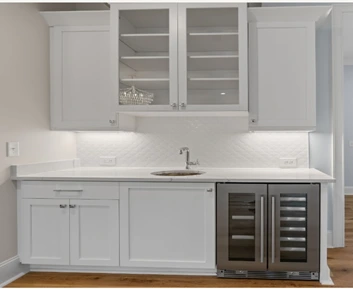
I’m sure you’ve all seen the traditional wine storage with wines stored side by side in cherry wood with the bottle end facing out. Very efficient for wine storage. Stainless steel wine coolers and beverage fridges seem to be in most kitchens nowadays, keeping wine the right temp for sure. Again, this is great for storing wine but falls short when it comes to displaying wine.

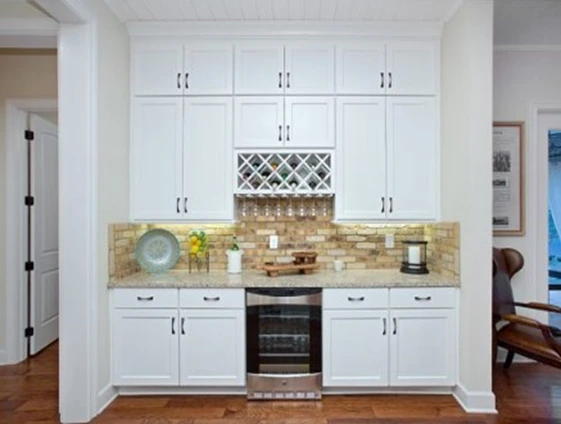
Undoubtedly, you’ve seen the cabinets with a lattice pattern in place of upper cabinets with wine glasses hanging below. You immediately recognize it is wine storage. Very decorative, but you still must remove each bottle of wine to see what it is.

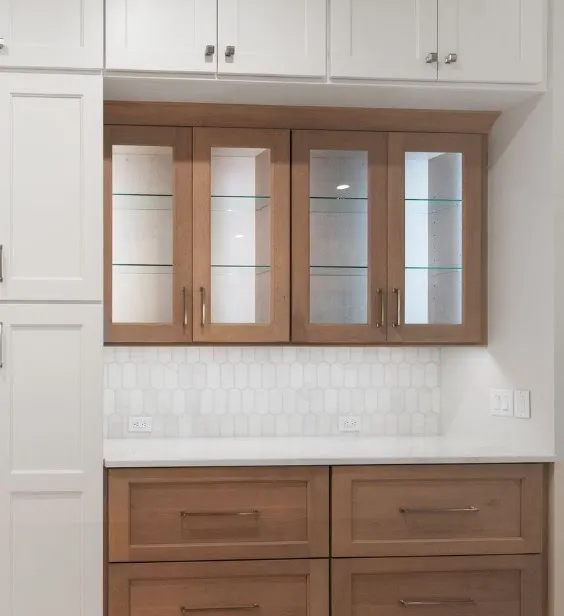
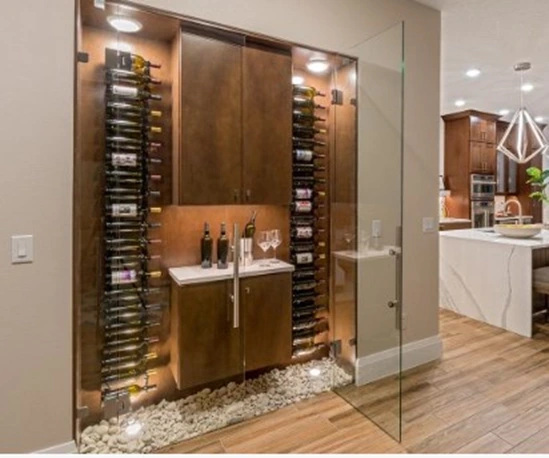
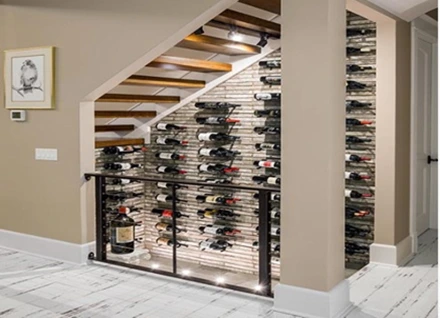
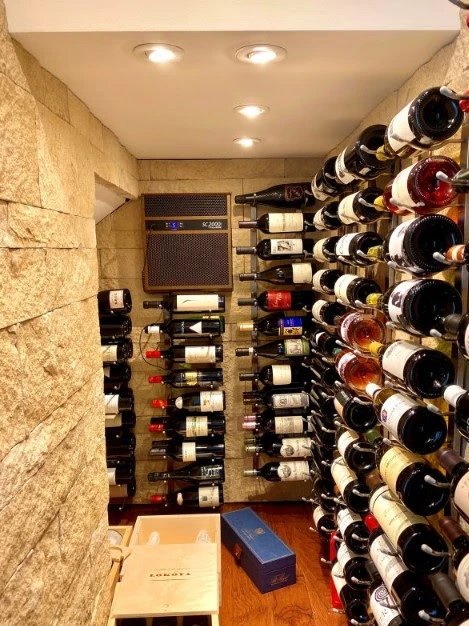
That’s where a label forward method of wine storage excels. After all, the labels on many bottles of wine are art gallery worthy. It is also easier to recognize and locate the wine you may be looking for. From a design perspective, label forward display has transformed wine storage to an interior design feature in the home.

Wine displays can vary greatly. A basic wine fridge certainly works. As does a simple display over a set of cabinets in or just off the kitchen. Wine displays can also capture the unused space under the stairs, suggesting the wine is stored in a “cellar”. Some are elaborate glass enclosed alcoves, while others are entire rooms that are climate-controlled, perhaps even featuring a bar area or table to sit and enjoy a glass or two of your favorite wine with friends and family.

No matter how you store or display wine in your home, I just want to say, “CHEERS” and enjoy some vino!

Adapted from Housing Design Matters Blog

Home Sweet Home – Part 41 – Yes, Bed Placement Matters

There are basically three categories of bedrooms, and each serves a different purpose in the home.

  • The Primary Bedroom is generally larger than the other bedrooms in the home and is intended to provide refuge, or serve as a relaxing getway from the daily grind of life, for the owner(s) of the home.
  • The Kid’s Bedroom is used for not only sleeping, but also for playing and studying.
  • The Guest Bedroom is where we hope to make our guests feel comfortable and welcome.

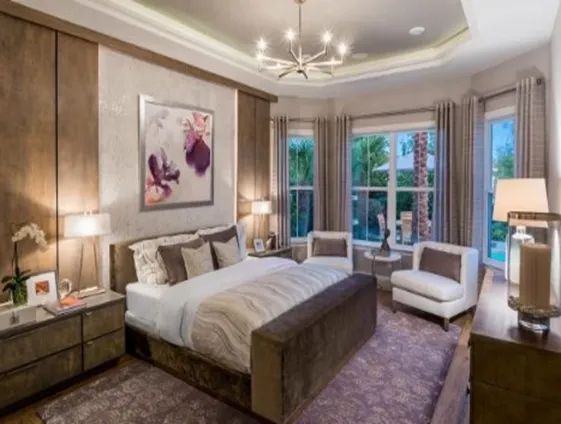
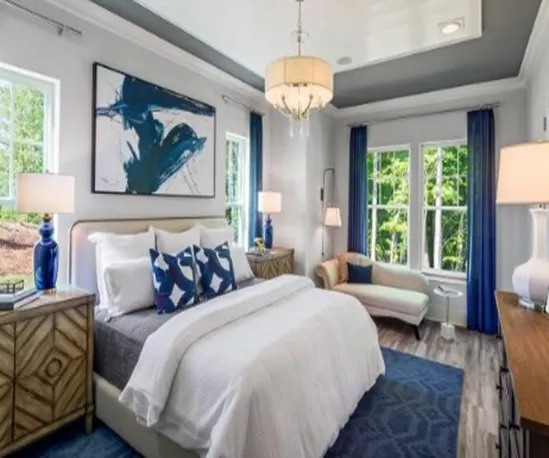
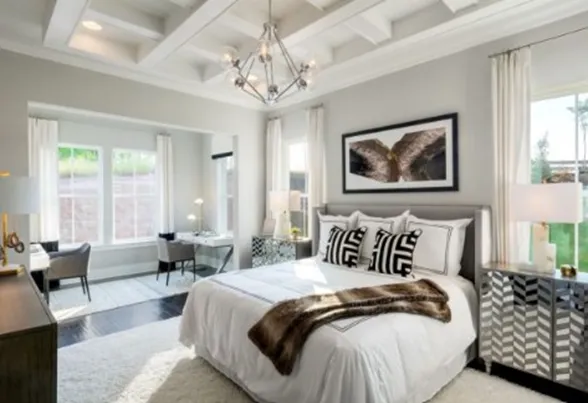
Regardless of the category, I was always taught the bed and its headboard should be the focus of a bedroom. It is, after all, the most dominant piece of furniture based upon its size. And since sleep is essential to our well-being, the bed plays a vital role in our lives.

PROPER PLACEMENT
As a focal point, the bed should either be on the wall directly across from the door or at 90 degrees off to the side. You should never enter directly to the side of the bed. Thus, the bed and headboard are visually dominant. Furthermore, the bed looks best when centered on the wall.

HOW BIG IS THE BED?
Whether you are designing a home or simply buying new bedroom furniture, it is critical to have the furniture fit the room properly. Here are some guidelines/measurements to help you select and place bedroom furniture:

A king-size mattress: 76” wide and 80” long. But a mattress is only part of the story. You need also to consider bedding, headboards, and footboards in some cases. A typical headboard is about 3” thick and 7′ long. Bedding adds another 2”. If a footboard is included, it adds another 3” to 4”.

A queen-sized mattress: 60” wide by 80″ long – the same length as a king-sized bed. Double or full-size mattress: 54” wide by 75” long. Full size and queen size beds typically use the same length of headboard. A twin mattress: 39” wide by 75” long. And don’t forget to account for the 30” to 36” for each nightstand when deciding the optimal wall for the bed.

WINDOWS
Natural light is a must in a bedroom, yet sometimes windows can pose an impediment to furniture placement.

Typically, bedrooms are rectangular with the bed on the long wall and windows at the end of the room on the short wall. If the room is big enough, there may be windows on the wall hosting the bed. Hopefully, the windows here are the right size to accommodate the size of your nightstands.

The bedroom, particularly the primary, should be our sanctuary, where our daily stresses melt away and we can hit the reset button to feel rejuvenated to take on the next day. A poorly thought-out bedroom that forces you to strategically navigate around furniture with the hope of not stubbing your toe in the middle of the night is simply a nightmare. Let’s make every bedroom a dream room—a retreat to look forward to. With some forethought and planning this will certainly be the case!

Adapted from Housing Design Matters Blog

Home Sweet Home – Part 40 – What “Must-Have” Features In Your Home End Up Unused?

When you were in the design phase of building your new home, and you were so excited about having the opportunity to include all the must-haves you always dreamt about, you simply couldn’t imagine not using each item or feature regularly. However, once the “newness” of living in your home wore off, the reality of using many of these items turned out to be considerably different than you anticipated. In retrospect, you probably would have eliminated or changed many of them, especially if it’s been years since you built your home, as the trends of the time definitely influence our must-have list.

With that said, let’s take a closer look at some of these items and the reasons why one should think twice before including them when building a new home or remodeling an existing one.

The formal dining room:
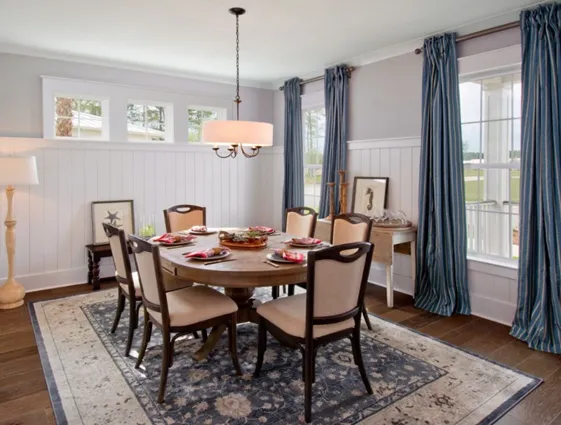
For many years, the formal dining room was a staple in the average home, and to this day, many “grand” homes being built still include this room. However, most of us agree that this was a room that was only used on holidays or special occasions. So, even though this room brings back wonderful childhood memories for me, and I’m sure for many of you, wouldn’t this space be better used to create a larger family room, kitchen, primary bedroom, or perhaps an ample at-home office? Particularly as any one of these rooms would be well-used every day.

The Jacuzzi tub in the primary bath:
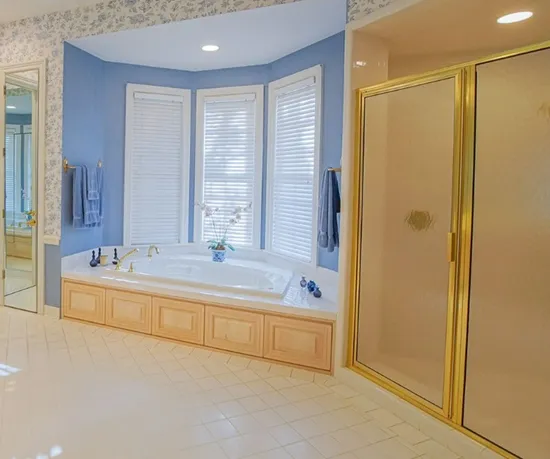
After the novelty wears off, the big jacuzzi tub hardly gets used—other than to sit on the tiled ledge while having a conversation while your partner is getting ready. If you are a “tub person,” freestanding soaking tubs take up considerably less space. If soaking is not your thing, just imagine what you could do with this space if added to your shower—add a full-size bench, a drying station, or an additional shower head.

The primary suite door to the lanai:
The door from the primary suite to the patio, pool, or lanai sounds useful when in the design stage, but will it actually get used? Some of you will argue that you use it, but most folks do not. This door takes up wall space, costs money, can be prone to leak during severe storms, and at the end of the day, it’s just another door to lock.

The breakfast nook:
The breakfast “nook” is great in theory, but in reality, it rarely gets used. Instead, everyone gathers at kitchen island. Just think what you could do with this space— enlarge the island, create a messy kitchen or pocket office, have a generous pantry.

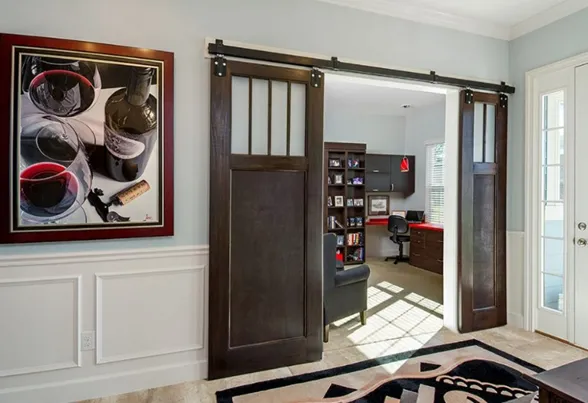
The barn door for the office:
We all love barn doors, but do you really want it as your office door? The answer is a resounding no if you need “quiet” while you work. Barn doors do not provide the same level of noise-blocking as traditional doors. You might also regret locating an office off the entry as full-time home offices tend to get messy which is not the best first impression as you welcome guests to your home.

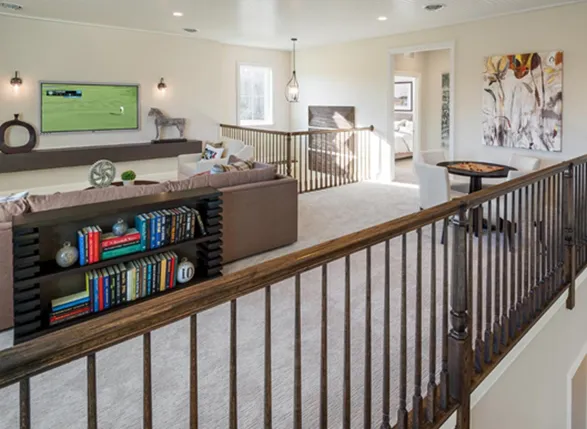
The open loft as the TV room:
An open loft is truly an attractive space, but not always functional. This area makes for a great reading room, but is not suitable for a TV room or bonus room for the kids. The noise from the TV is distracting if you are trying to enjoy music on the floor below and the sounds of the kids’ video games (not to mention the kids’ screams at their friends and combatants) can be quite loud and annoying.

The full-blown pool bath:
Pools have become more commonplace in our coastal homes since the pandemic. So, unless this bath also serves a bedroom, do you really need a full bath here? Probably not since the outdoor shower is available and thoroughly enjoyed by most. A half bath is the better alternative and just think of the dollars you could save on tile alone!

The list could go on and on. And truthfully, “must-haves” differ from person to person as well as during various stages of life. Some of these details might seem small, but they can add up to a lot of wasted space and missed opportunities. So think long and hard about which “must-haves” are really must-haves.

Adapted from Housing Design Matters Blog

Home Sweet Home – Part 39 – Getting Your Home Ready To Sell

Most of us have sold a home at some point, and many of you have sold multiple homes in your life. It’s never an easy task, but the reward—moving into a wonderful new home—generally outweighs all the work that goes into selling your existing home. So, if you are dreaming about the possibility of buying or building a new home soon, here are several tips and strategies that will help you sell quickly and get top dollar for your home. Come to think of it, doing many of these suggestions on a regular basis will help make the home you live in more livable and enjoyable!
Declutter

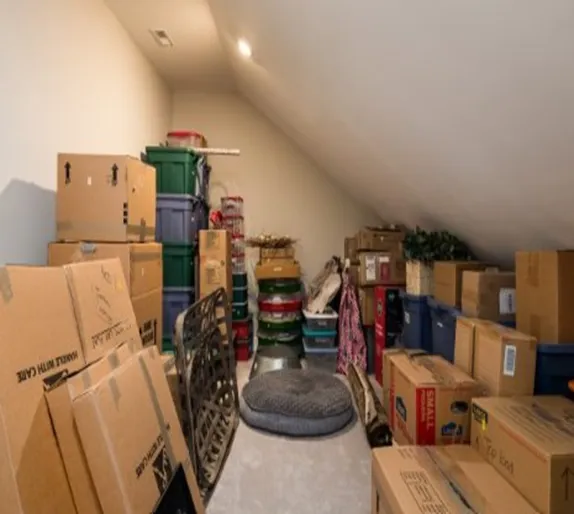
Perhaps the biggest obstacle to selling your own home is you and your stuff. Many of us become blind to how much “stuff” we have and don’t use. Decluttering will truly make your house feel larger. Few want to take this essential first step. But if you don’t, it just adds to your moving expenses. And sorry, shoving things into closets isn’t acceptable since would-be buyers will open all the closets to see how big they are. A closet that is overstuffed looks small – just like a house full of clutter.

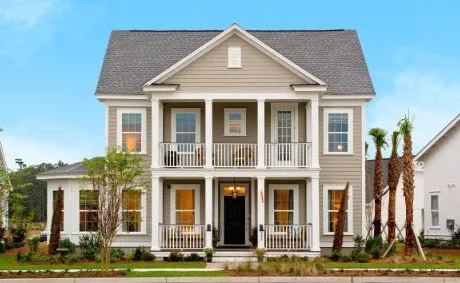
This goes for the outside too. Cut back unruly trees and shrubs, especially those that have become overgrown and block views from the windows . Add some colorful container gardens to the front porch to welcome your potential buyers. Small details like this help create a good first impression.
Clean Up – Touch Up

The more stuff that you take away from the house – the more you might see a stain on the carpet or that scuff on the wall. Yes – those items must be addressed.
And don’t forget to get the windows cleaned. Once your deep cleaning is complete – you must keep it clean. If you have a house full of kids, this task is even tougher, but give it your best shot.

Light it Up

The first thing you or your realtor should do is to turn on all the lights before the potential buyers arrive. That means every light fixture and lamp—even lights you don’t turn on regularly. Pull up any blinds and pull back the drapes to let the sunshine in! Bright light helps to make your house look bigger. It will also reveal if your house isn’t clean – which takes us back to the previous point.
Make It Like a Model

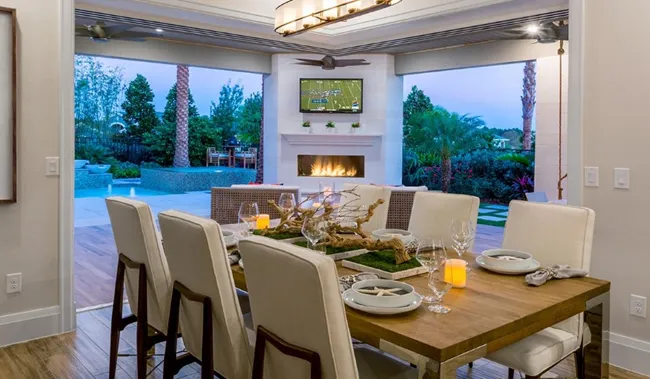
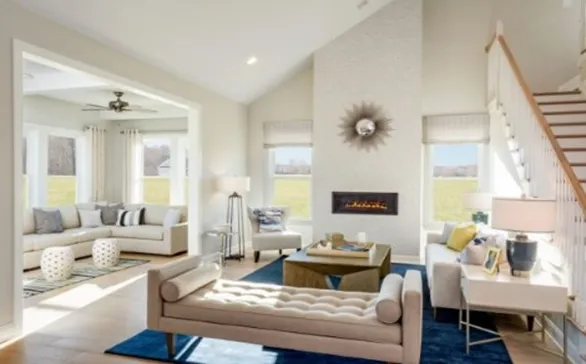
To really make the house feel special, think about it as a model home. There should be music playing – especially if your house has a sound system that the would-be buyers might not have noticed otherwise. It should smell good, so have some lightly scented “plug-ins” around the house. If you have a pet – make sure buyers can’t tell that from the smell. Have an image on the TV. With today’s technology, there are a series of scenic images the TV can cycle through. If you have a gas or electric fireplace, make sure it is on. If there is a pool, spa, or water feature, make sure they are running, especially if they include the sound of water moving.

Lights, Action, Camera

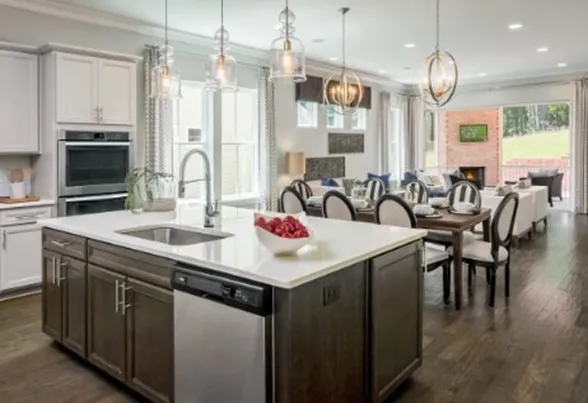
Now that the house is decluttered, cleaned, well-lit and staged with flickering fire and TV’s – what a great time to take pictures. Make sure to hire a good photographer and be sure to scrutinize the shots they take. Have a few accessories ready to embellish the shots such as a bowl of fresh fruit in kitchen, fresh flowers in key rooms, wine glasses in the sitting area.

Be sure to include the view from the kitchen sink to allow buyers to understand how the house will live. If you have a big closet or walk-in pantry, be sure to include these areas in your photos. A few evening or dusk shots will allow potential buyers to see the house at various times of day.
Lively Listing

Remember, most buyers will see your house on the internet first. This is all about that first impression. Assemble your amazing photography starting and ending with a couple of great shots. Then you can organize them as if they were walking through the house.

Make a list of all the unique features in the home not apparent from the photos like the convection feature in the oven, the nest thermostat, and the reverse osmosis water purifier. Be sure to capture the community amenities in your description and list the nuances of your location including proximity to shopping, dining, school.

Do Not Forget the Floor Plan

I realize this may be a difficult step for many, but having a good set of floor plans available to view online is worth it. Better yet, have a 3D tour of the home so that the prospective buyer can “walk” through the house online. Include the site plan. If the house doesn’t have a pool, but has room for one, you could delineate how big a pool and where it could be located on this site plan.

Bottom Line

Let’s be realistic. A resale home is a used home. However, there are many steps you can take to make it look like a “gently used” home. Remember, buying a home is an emotional decision for buyers. Think about all the ways they should fall in love with your home. Putting in the effort will improve your chances of standing out in a sea of used homes and get you into your new home sooner!

Adapted from Housing Design Matters Blog

Home Sweet Home – Part 38 – Can We Make Laundry Less Dreadful?

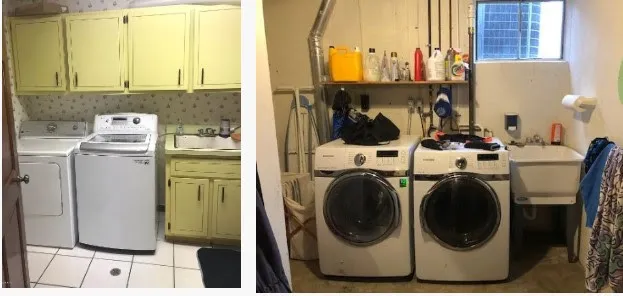
For many of us, doing laundry is our most dreaded chore, so it’s hard to get excited over a laundry room. We can pretend all we want, but at the end of the day, they are just not as sexy as a sleek kitchen or as spa-like as a primary bath.
Oftentimes, laundry rooms are dark, hot, noisy, and small.

But how many times a week do you go into your laundry room? Once a week on laundry day? If your household can pull that off, I envy you. The Bureau of Labor Statistics states that adults spend, on average, 17 minutes per day doing laundry – coming only behind food and drink preparation (37 minutes) and interior cleaning (29 minutes) for household activities.

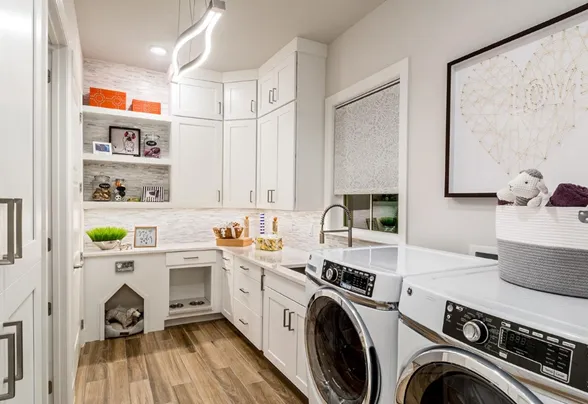
Should we be putting more thought into how to make our laundry rooms better? Unlike the primary bath, the laundry room will never be described as “spa-like.” But perhaps we can make it a better functioning, more cheerful space. So, whether you are in the process of designing a home or have an outdated laundry room that you want to remodel, here are points you should consider…

In addition to the washer and dryer, there are other key elements and functions that a laundry room should include:

Laundry tub or sink
Wrinkle reduction/Shrink prevention
Laundry basket
Folding zone
Storage

LAUNDRY TUB/SINK

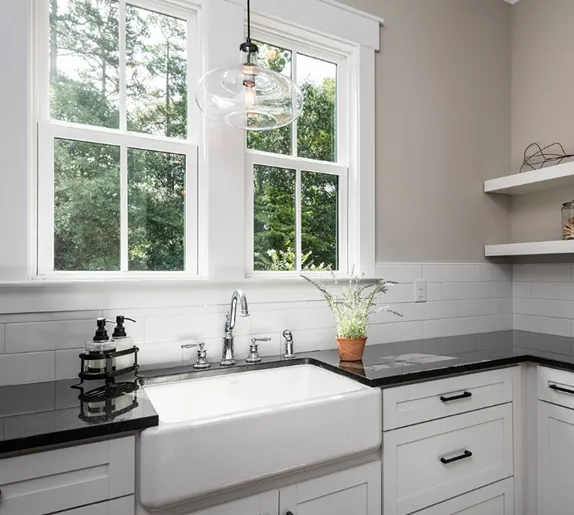
A laundry tub is ideal for pre-soaking or hand washing dirty clothes. However, if you are opting for a more elegant solution go with a sink—maybe a cool farmhouse sink. And if you can incorporate a window into this space, even better!

WRINKLE REDUCTION & SHRINK PREVENTION

If you don’t like to iron and are concerned about your clothes shrinking, a hanging rod is a must. At minimum, there should be 6′ of hanging. Ideally, you would have one lower 3′ rod and a 6′ upper rod.

LAUNDRY BASKET

How about a laundry basket to hold items waiting to be washed? Even better, multiple baskets—one for each member of the household, one for sheets and one for towels.

FOLDING ZONE

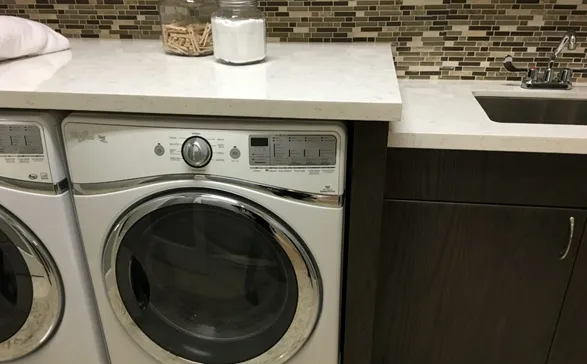
An area for folding clothes is often a luxury in many laundry rooms. Ideally, you want at least 5′ of counterspace – enough to easily fold towels. When working with limited square footage, you might consider a countertop above front loaded appliances that allows adequate space for folding.

STORAGE

Then there’s the storage. It starts with where you store your laundry detergent and dryer sheets. Certainly, wire shelves are sufficient for these supplies, but the open shelves make the room feel cluttered and messy. Cabinets are more elegant. Be sure to make the cabinets over the washer and dryer 18” deep so you can easily reach them over the appliances.

While laundry rooms might not be sexy, they are one of the most important, frequently used rooms in the home. If we have the opportunity to make these chore rooms a little less institutional, and a bit more inviting, shouldn’t we?

Adapted from Housing Design Matters Blog
Home Sweet Home – Part 37 – Aging In Place

The pandemic left a negative impression on all of us, but most notably on those 55+. For our seniors in nursing facilities, it was incredibly disheartening with no or limited visitation. No one dreams about living in such a facility. This got me thinking – what features will help us at age at home for longer, perhaps even until the end of our life.

THE SHOWER

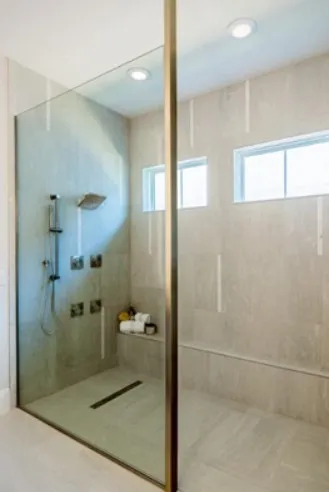
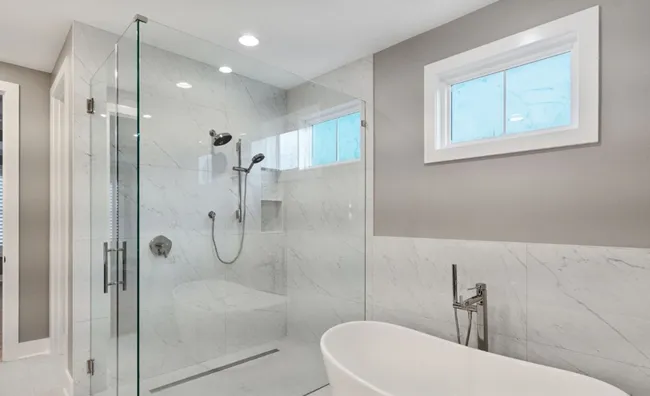
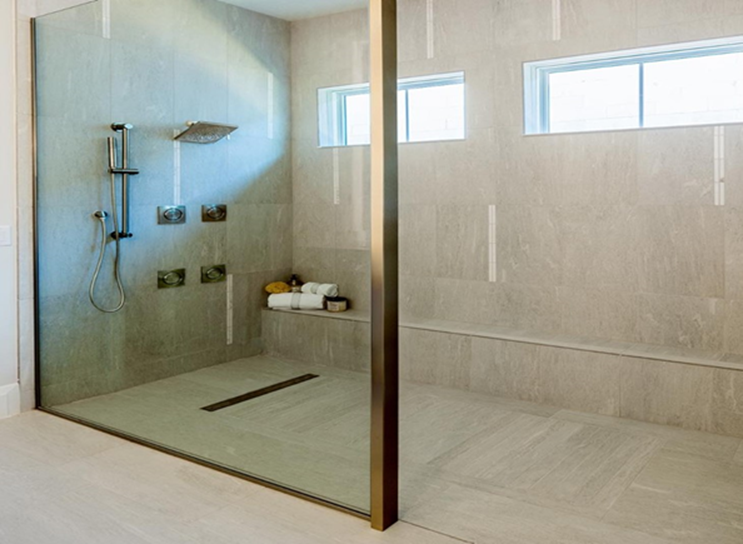
Let’s start with the shower. I like to think “spa-like” rather than designed for “old-age.” Either way, that means an awesome seat, great shower heads including a handheld shower head. If possible, it should have a zero-threshold entry that is both luxurious and easy to use.

AMPLE ARTIFICIAL LIGHT

A natural part of aging is the thickening of the lens of the eye. It is a gradual process that starts at age thirty. By age sixty, this buyer needs six times as much light as a 20-year-old. The good news is that adding light is beautiful and uplifting. All houses look better when well lit!

Be thoughtful about lighting. In the bathroom, add lit mirrors and a step light in the toilet room—a great way to easily find it in the wee hours of the morning.

In the kitchen, I like four layers of lighting:
Under cabinet lights for task lighting
Pendant lights over the island as both decorative task lighting
Puck lights in the glass upper cabinets for ambient lights
Recessed can lights in the kitchen for the maximum light

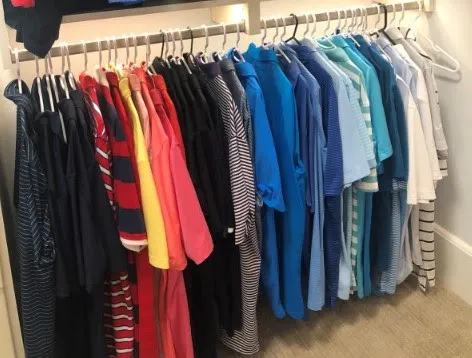
And don’t forget the lighting in the closet. One overhead light won’t illuminate two rows of hanging properly. Add led strip lights above each row of hanging rods. I’m quite sure even a twenty-year-old would love this!

Another area is on your stairwell. Step lights make them safer at night for all ages.

AMPLE NATURAL LIGHT

If you are currently building a home, go ahead and add that extra window in the bedroom or great room. Especially if the extras windows can view something beautiful. Add high glass in the bathroom – above or between the mirror – above the shower and in the toilet room. If there is a room in your existing home, adding a window to a dark room that you spend a lot of time in is worth the investment.

THE PRIMARY SUITE

Having the primary suite on the main level is a nice luxury for any age. But the 55+ individual, who lives in a three-story home, should investigate the possibility of an elevator should the primary be located on an upper floor. Or perhaps you have space to add a small addition to the home or convert a room (or rooms) on the ground floor into a beautiful and highly functional primary suite.

THE GREAT OUTDOORS

Everyone, young and old, appreciates outdoor living. For many, a backyard to garden in is truly therapeutic. As we age, consider constructing raised beds for growing vegetables, herbs, and flowers. Adding landscape lights will extend the view of the great outdoors into the evening. Perhaps extend your deck or patio making this area of your home more inviting. Few things beat fresh air and warm sunshine—and I swear, as a 55+ person, the great outdoors has a magical force that just makes you feel more vibrant, and yes, even younger.

Let’s face it, we all want to be full of vitality as we age. After our twenties, no one really wants to grow older, but it is inevitable. Nonetheless, thoughtful, wise decisions on design if you are in the process of building or taking the initiative to move forward with a remodel to make your home more suitable for the next chapter of your life, will extend the opportunity for you to age in place. After all, there is no place like home!

Adapted from Housing Design Matters Blog
Home Sweet Home – Part 36 – Backyard Landscape Lighting

I love my backyard. It’s enchanting. But no matter how large or small, I bet most of us thoroughly enjoy our backyards as it is where we can spend time simply relaxing or grilling out with friends. Whether it be on warm, sunny days or crisp, fall evenings, backyards are a special place.

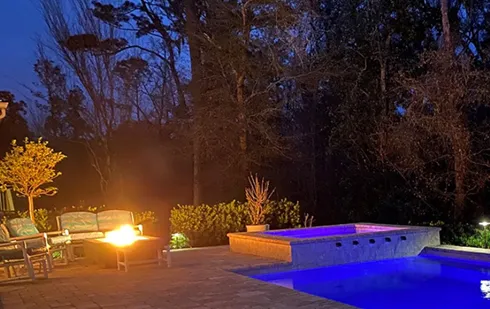
Some backyards are lucky enough to have lush woods as a backdrop. If this is your scenario, you will agree it is a wonderful view that changes with the seasons and affords great privacy from the neighbors behind you. Other backyards can be on the small side, especially here at the beach, but it’s amazing what you can do with that space—squeeze a small splash or cocktail pool in them and you have your own tropical oasis.

In year’s past, during the dead of winter, my backyard was mostly dark by the time I get home from the office. Of course, I never seem to get up early enough on weekday mornings to thoroughly enjoy my backyard as I am always rushing off to work, trying not to be late. But now that daylight savings started, relaxing evenings in my backyard are more frequent. But even in the thick of winter, or when we stay outside past dusk on delightful summer evenings, there is a remedy to a dark backyard—landscape lighting!

If you have a pool, the pool lights can help brighten up the backyard at night and a fire pit can create flickering light—both of which are very nice, but are they enough? Or more importantly, are they creating the effect you are looking for? Turns out, they don’t always provide what you are looking for. Sometimes this light can completely overwhelm the rest of the yard. There is a fine line between too much light and light that creates a soothing ambience.

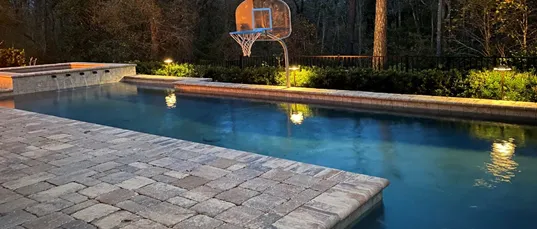
Over the holidays, we put up one string of soft white lights in the bushes. Nothing fancy, but it suddenly clicked. Or should I say, I saw the light! We could actually see the landscaping, and if you are lucky enough to have a pool, the reflections of these lights on the pool can be stunning.

So, recently we added low voltage landscape lights. WOW—they are transformational! I feel foolish for not doing this sooner.

We have lights shining up on our crepe myrtle trees. Even this time of year when they are sticks, they look interesting and very sculptural with the uplighting. I can’t wait to see them later this year when they are in full bloom.

We have lights shining on our privacy hedge, creating a perimeter. The greenscape enclosure is magical and comforting.

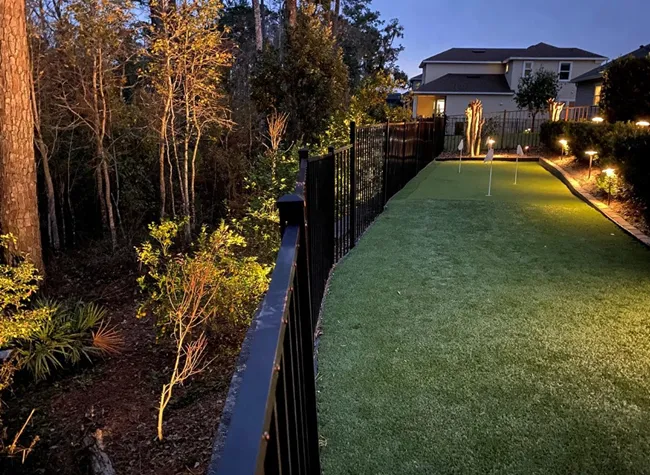
But my favorites lights are the ones lighting the woods behind our home. What once was a black abyss is now a charming and dramatic backdrop. As a bonus, the lighting makes nighttime putting possible! When inside, I can’t stop staring out the windows at my beautiful yard.

What an amazing transformation these lights offer when it comes to making the most of your backyard landscape. With spring upon us, I encourage you to add some uplighting, or even just a strand of lights on a tree—it is truly uplifting and will enhance those lovely evenings spent outside!

Adapted from Housing Design Matters Blog
Home Sweet Home – Part 35 – Storage! There is Never Enough!

When it comes to having enough storage in our homes—there is just never enough! And it seems that the problem of not enough storage has gotten worse since the pandemic. Apparently, Americans have become too good at ordering “stuff” on Amazon or other online retailers and not as good at throwing “stuff” away. These super-fast, convenient shopping experiences appear to be contributing to storage challenges. So the question becomes, where do you put all this stuff?

Holiday Décor

Finding places for holiday decorations used to be easy—limited to a couple of boxes for tree ornaments and outdoor lights. Not anymore! Decorating for Christmas has become a competitive sport! It’s all about who in the neighborhood has the best décor. But wait—competitive outdoor décor isn’t just limited to Christmas. Many folks go all out for Halloween too. Again, this adds to our storage dilemma.

Self-Storage Units

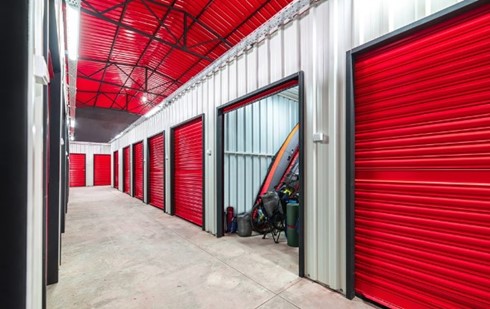
According to Yardi Matrix, there has been tremendous growth in the self-storage business since 2020. There are now more than 14.5 million people utilizing self-storage—which is up by close to a million in two years. Some believe the demand for self-storage is increasing because of housing affordability issues—especially in urban areas. Another factor is downsizing. The 55+ market is famous for wanting a smaller house but failing to adequately downsize the amount of stuff they keep.
It’s clear to me that our storage needs are only growing—so where can we expand our storage in the home?

Kitchen

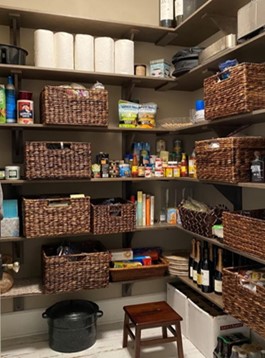
Ever since we fell in love with the open concept floor plan, finding adequate upper cabinet storage in the kitchen has been more challenging. During the lockdown, the number of kitchen gadgets we “needed” increased. The result—we quickly ran out of storage and our kitchens became a disorganized mess. The once adequate corner pantry no longer provides enough storage. Large walk-in pantries are a better solution. Be sure to consider this if you plan to remodel your kitchen or are in the process of designing a new home.

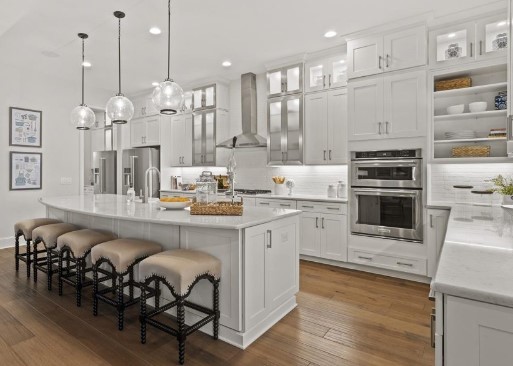
Should space permit, the addition of the Messy Kitchen is another great storage solution. This area is especially helpful for our favorite kitchen gadgets like the juicer, blender, coffee maker, and toaster oven.

I also love the tall upper cabinets with the glass cabinets above the uppers. What a great place for the display of collectables that is safe and relatively dust free.

Primary Closet

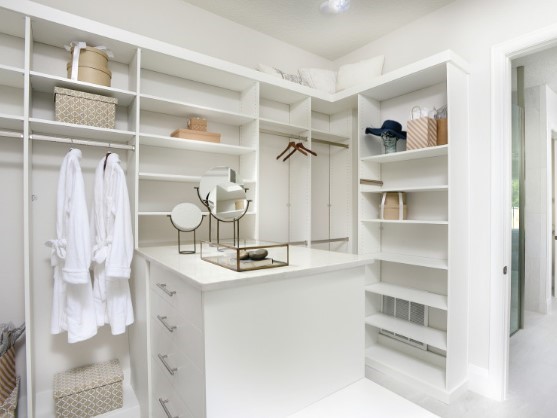
Ask most folks about an adequate primary closet, and they will respond “it can’t be big enough.” While that’s not always feasible, oversized closets have great appeal. Nonetheless, a built-in closet system can go a long way in terms of storage space even in an average-sized walk-in closet.

Garage

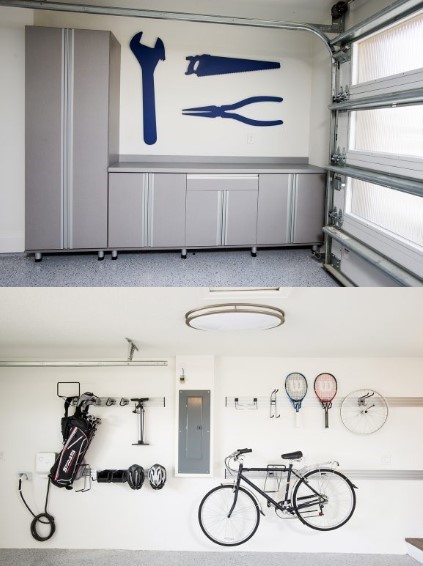
For many, including my household, the garage becomes the catch-all for stuff. However, without a well-planned organization system, this space gets unruly and overcrowded. Eventually, disarray prevails. Capitalize on this space with wall hooks to hang bikes, fishing poles, etc. and cabinets/shelves to keep stuff organized.

Attic Storage

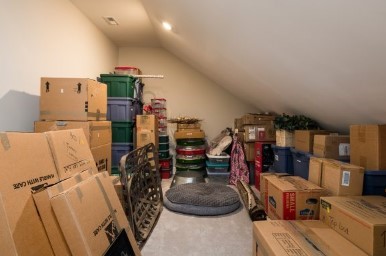
If you have attic space, easy access is imperative to make it practical. If you are subject to pull-down stairs, it can be dangerous when trying to retrieve big boxes. It generally requires 2 people, and all I can say is, be careful. If you are building a home, be sure to incorporate a walk-in attic area or one that offers a permanent staircase for ease of access. And if you want to make the most of this storage area, opt for spray-foam insulation so this space doesn’t experience extreme heat in the summer or get incredibly cold in the winter.

Under the Stairs Storage

Move over Harry Potter. This valuable, albeit small, storage space should not be overlooked as every inch of storage counts. Perhaps you can add an access door in your home to take advantage of this
space.

Yes – We have a problem!

So, is it a lack of storage that is the problem or too much stuff that is the problem? The reality is, most of us aren’t as organized as we’d like to be—why do you think Tidying Up with Marie Kondo was such a hit on HGTV? Even if we take her lessons to heart, we will have to be diligent about purging and keeping things organized.

Have you taken full advantage of storage possibilities in your home? If not, try mastering the art of organization—it is highly rewarding!

Adapted from Housing Design Matters Blog
Home Sweet Home – Part 35 – High Glass Design

Of course windows play an amazing role in the design, livability, and enjoyment of our homes as they let in natural light and help to expand the space. High glass brings in light without compromising privacy which is important here at the beach. But there are several nuances when it comes to high glass including where to use it and what size is appropriate.

Which rooms benefit the most from high glass?

For obvious reasons, bathrooms greatly benefit from high glass as it is a room that demands privacy. Perhaps you remember when it was common to show a large 4′ by 4′ window above the soaking tub in the primary bath. While it looked awesome and let in incredible light, it offered no privacy. To address this concern, frosted glass or glass block was installed. We’ve long since moved on from those faded fads, and found the perfect application for high glass.

Over The Shower

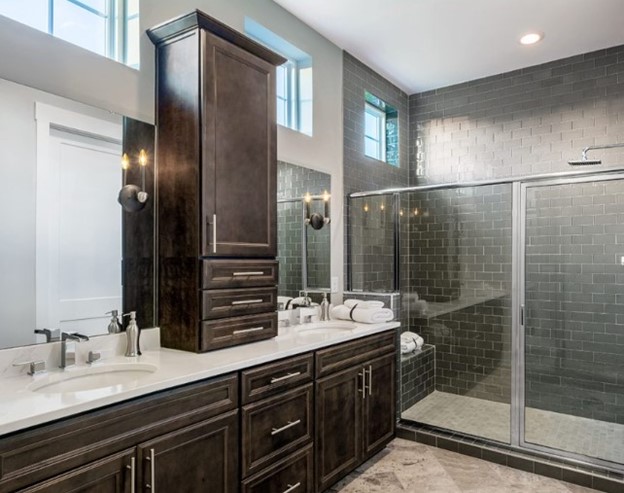
Although soaking tubs are still popular should your primary bath be large enough, many homeowners have switched to a spa-like shower. If your home has 10′ ceilings, then you have plenty of options to add high glass in the shower area.
If your home has a 9′ ceiling, you could sneak a piece of high glass up at an 8′ head height. A two-foot-tall piece of glass with a sill at 6′ adds a lot of light and still maintains privacy.

Over The Vanities

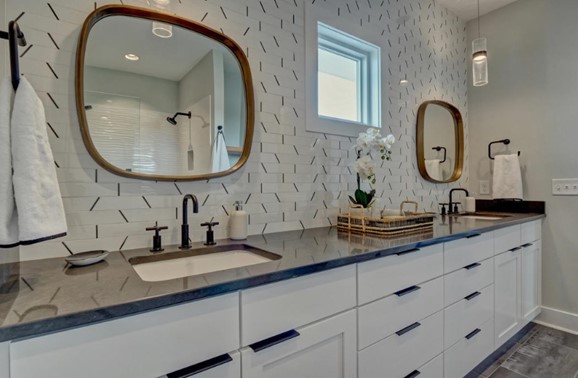
Another popular spot for high glass is over the vanities. Again, this is easy with 10′ ceilings. But as the ceilings get lower, the amount and size of glass gets compressed. Now you have to consider the top of the mirror. If your light fixtures are placed over mirrors, a good solution is to place high glass between the vanities and their corresponding mirrors.

Dining Rooms

Another popular place to add high glass is to the dining room. Oftentimes this is supplemental glass that acts as an accent/design element.
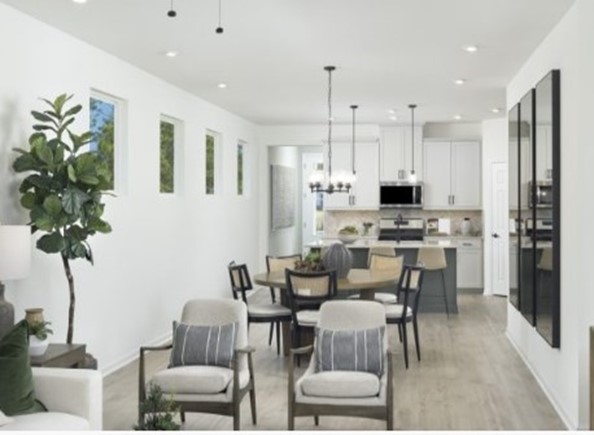
Many times the dining room is on the side of the house where we have another house about 10′ away. While dining rooms don’t require the same amount of privacy as a bathroom – no one wants to see their neighbor staring into their home while you host a dinner party.

The good news here is the size of the glass in the dining room isn’t constricted by mirrors. Adding three 2′ by 2′ pieces of glass along the dining room wall creates a great look. I recently visited a home where they added only two larger pieces of glass at 3′ by 3′. The result was a larger area of glass and less labor to install. Sounds like a win win!

High glass serves a crucial role in bringing natural light into spaces where we want to maintain privacy. Thoughtful sizing and placement will bring cheer to even the most challenging rooms in the home. So whether you are designing a new home, or remodeling an existing one, be sure to give high glass some careful consideration.

Adapted from Housing Design Matters Blog
Home Sweet Home – Part 34 – Don’t Forget The Basics: The Niche & Bench

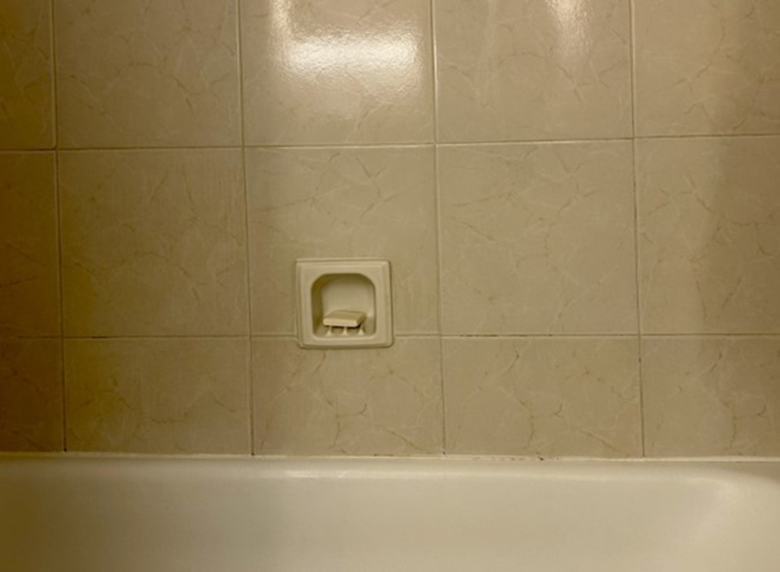
The house I grew up in had a tub/shower combo in my bathroom. Inset in the tile wall was one soap dish. I guess the builders of my house wanted me to wash my hair with soap… Of course, my family used shampoo, which we ended up cramming into the corner of the tub. The truth is that today’s homes are well thought out and considerable attention is given to bathrooms. Whether you are building a new home or remodeling an older home, other than the kitchen, the primary bath is where to put your money.

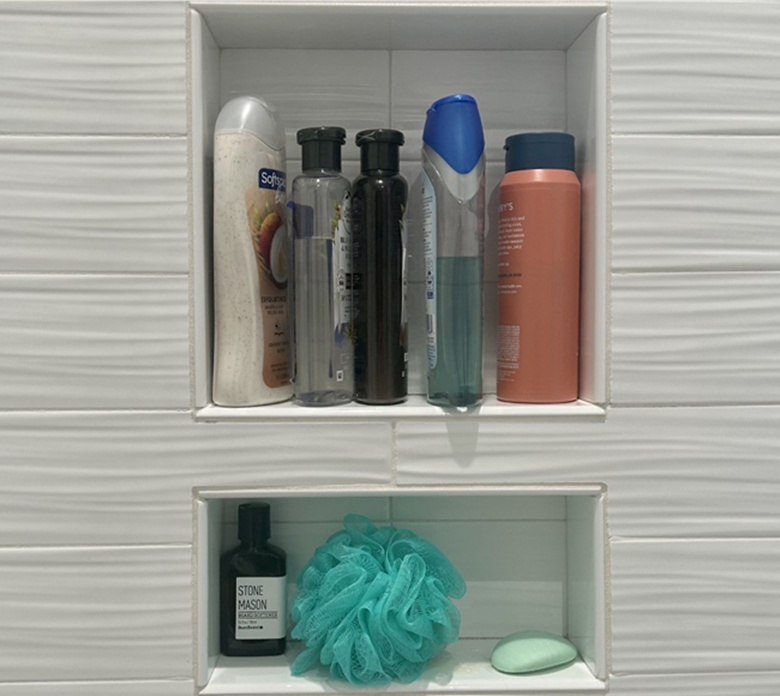
So, I think it should go without saying that a single soap dish is no longer going to cut it. At a minimum, we need space for soap, shampoo, conditioner, and body wash. On top of that, men and women tend to have their own body wash – they may also want different shampoo. And then there’s the guys who like to shave in the shower. They need shaving cream.

Bottom line – it takes a lot of “stuff” to make us beautiful and fresh smelling! This means our showers need an adequate spot to house all these items.

Welcome the niche!

THE SHAMPOO NICHE

Fortunately, the plumbing industry understands this and has started including shampoo niches in their prefab tubs and showers. While some of the prefab shower enclosures of the past have been uninspiring (to put it mildly), the industry has stepped up their game.

You can find a tub enclosure that looks like tile, has a shampoo shelf running the entire length of the tub, and you can also add accent tile to the recess for a more custom look.

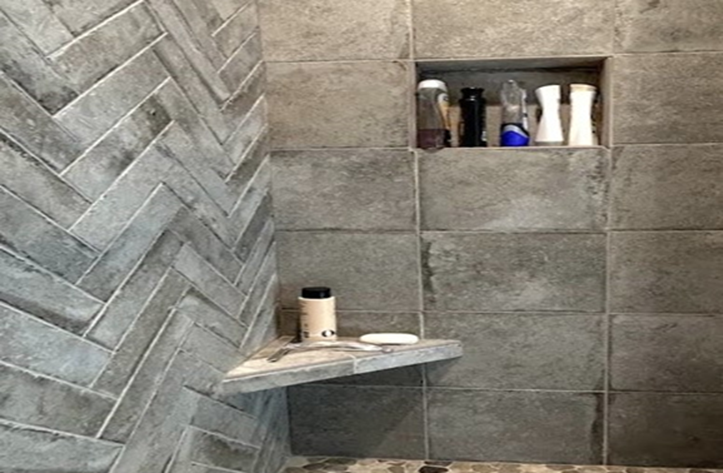
And speaking of a custom look, if you’re installing tile only to your shower or tub walls, you can get a prefabricated leak-proof shampoo niche ready for tile or accent tiles. Accenting the shampoo niche with contrasting tile is a great design concept. These extra touches confirm just how important a great shower experience is to kick off the day on a good note.

THE SHOWER SEAT

Of course, every shower must have a seat – right? The answer is, absolutely, if possible. However, most shower seats aren’t for sitting. Many are there to enable woman to shave their legs and all bathers to wash their feet and ankles…

If you have the room, consider a shower seat that runs the entire width of the shower.
Better yet – how about the entire length of the shower? Now we’re talking! This shower seat is multi-functional. Great for shaving your legs, large enough if you must sit down, and can hold body wash, shampoo, conditioner, shaving cream, razors – and even soap!

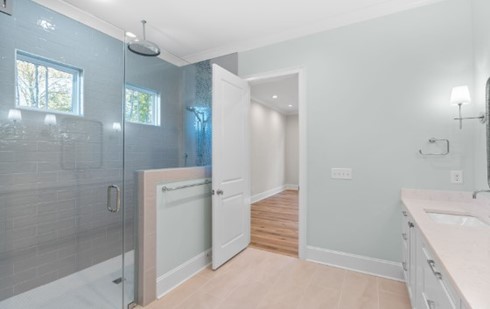
Of course, today’s showers are fabulous for a variety of other reasons. Incorporating elements like an elegant frameless enclosure, a transom window, making it zero-entry, adding a cool linear drain or a spa-like rainhead are but a few items that make today’s bathrooms shine. Gone are the days of the basic shower, here to stay is the luxury bathroom, which is not only beautiful to look at, but highly functional!

Adapted from Housing Design Matters Blog
Contact Richard Wallace Builder